Read time: 4 minutes
The Arduino Portenta H7 Lite simplified and improved Snaptron’s quality testing machine. The upgrade also launched a new customer offering.
What Will You Learn in This Case Study?
Learn how Snaptron used the Arduino Portenta H7 Lite to reduce costs, accelerate prototyping, improve quality testing, and launch a new commercial solution.
The Challenge
To meet evolving demands, Snaptron needed lower expenses, higher data processing speed, and a lighter solution for real-time quality testing.
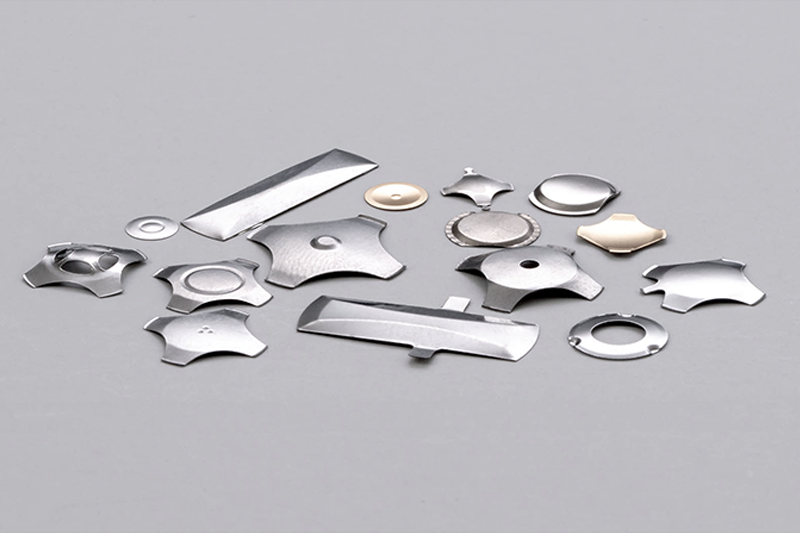
Snaptron is the world’s leading manufacturer of tactile dome switches, dome arrays, and complementary equipment. Its solutions serve consumer electronics, aerospace, automotive, medical, marine, aviation, and defense industries. Years ago, Snaptron developed the Sapphire Force Testing Machine to ensure the highest product quality.

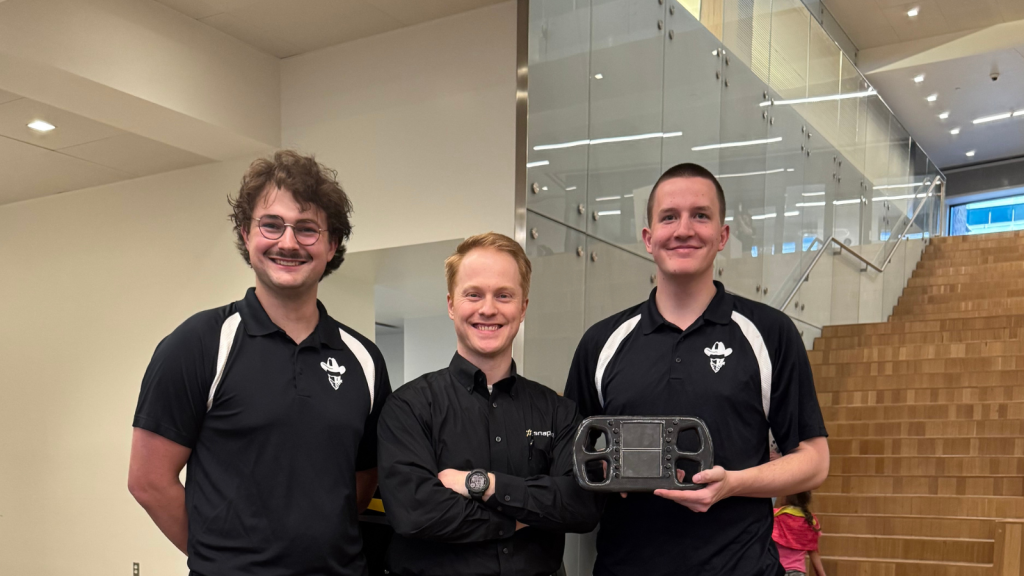
Recently, Director of Engineering Kevin Albertsen realized the solution – dependent on multiple PC/104 cards for each function, stacked on top of a single-board computer – could be optimized by achieving a more efficient, cost-effective implementation and providing real-time data analysis.

“We started by assuming that Arduino makes great products and offers outstanding customer support. We have been incredibly impressed on both accounts.”
– Kevin Albertsen, Director of Engineering at Snaptron
The Solution
Beyond improving performance, simple and quick prototyping for an advanced quality control machine opens up a whole new market segment.
“The simplicity and versatility of Arduino platforms allowed us to streamline the prototyping phase, enabling rapid iteration and testing of our ideas. By leveraging Arduino’s extensive library support and open-source resources, we decreased our development time – freeing up resources for other projects,” says Albertsen.

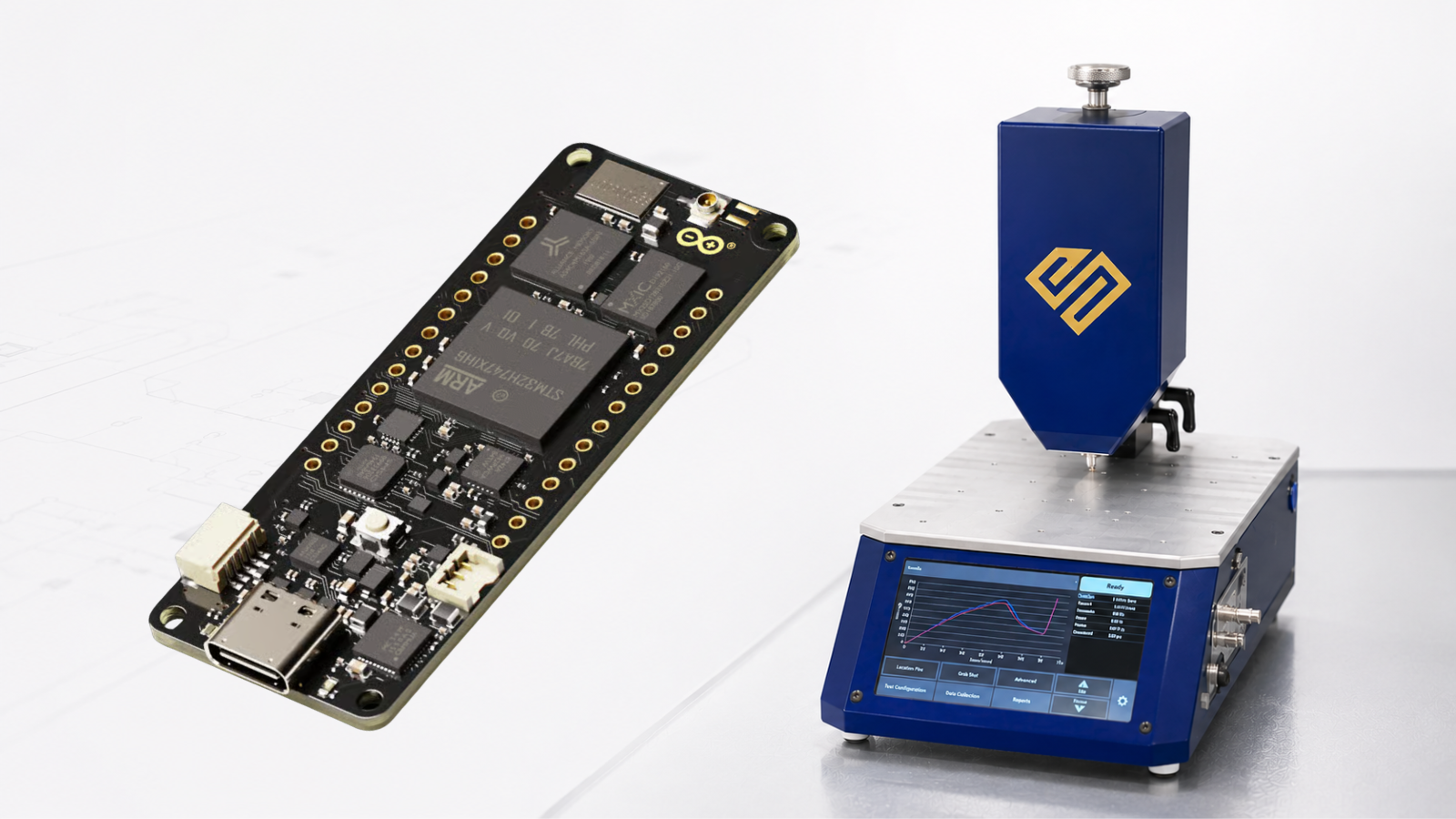
Snaptron selected the Portenta H7 Lite to upgrade the Sapphire machine.Its USB interface simplified data transfer with the single-board computer. Digital and analog connections streamlined low-volume implementation and in-house PCB assembly.
They were also impressed with Arduino’s customer support: “We needed to complete the certification process within a tight deadline, and their team was quick to provide the information we needed on Portenta’s CE certification,” Albertsen notes.

Cost-effectiveness was also a key factor:
“The affordability of Arduino boards significantly reduced prototyping costs and enabled savings that allowed for further improvements, while keeping the overall budget under control,” Albertsen says.

Snaptron developed the Sapphire machine to support its own switch quality and compliance testing. The team soon realized customers also needed force-displacement switch testing. That insight led to a marketable solution and a new business line.
Frequently Asked Questions:
What Is the Arduino Portenta H7 Lite?
The Arduino Portenta H7 Lite delivers high-performance computing for industrial automation, machine control, and data acquisition.
What Is Force-Displacement Testing?
Force-displacement testing measures the force needed to actuate a switch throughout its travel. Engineers use the results to evaluate tactile feel, consistency, and overall product quality.
What Is the Sapphire Force Testing Machine?
Snaptron developed the Sapphire Force Testing Machine to characterize, validate, and optimize switch performance through force-displacement testing.
How Did Arduino Improve the Sapphire Force Testing Machine?
The Arduino Portenta H7 Lite simplified hardware, accelerated prototyping, improved data processing, and reduced overall system costs.
Can the Arduino Portenta H7 Lite Support Industrial Automation?
Yes. The Arduino Portenta H7 Lite supports industrial control, data acquisition, edge computing, and embedded machine control applications.
What’s Next
Ultimately, this approach enabled Snaptron to innovate swiftly and effectively to deliver the utmost quality to the market.
“Arduino’s products gave us low-cost solutions for data acquisition, signal processing, and machine control. Rapid prototyping improved product quality and immediately reduced go-to-market issues.
Arduino continues to fuel innovation and helps us confidently deliver high-quality products.”

Snaptron plans to continue using Arduino technology as the foundation for future machine control and data acquisition. “Arduino delivered an exceptional product with the Portenta H7. We couldn’t be happier with our choice,” Albertsen says.