
Read time: 3 minutes
Snap dome switches are small metal components used in electronic devices to provide tactile feedback, reliable electrical contact, and long-lasting performance. They are commonly found in medical devices, automotive controls, industrial equipment, and consumer electronics.

Switch components play a crucial role in enhancing user experience and functionality in electronic devices. Among the most widely used solutions is the snap dome switch—a compact, high-performance component that directly impacts tactile response, reliability, and product lifespan. In this post, we answer the most common questions engineers and buyers ask, including what are snap dome switches, how do they work, and when do you design with them.
What Is a Snap Dome Switch? (Quick Definition)
A snap dome switch is a momentary electrical switch made from a metal dome—typically stainless steel—that collapses under pressure to complete a circuit and provide tactile feedback.
Basically, a snap dome switch, also known as a tactile dome or metal dome switch, is a type of momentary switch used in electronic devices. It consists of a dome-shaped metal contact placed over a circuit pad. Therefore, when pressure is applied, the dome collapses and creates an electrical connection, then returns to its original shape when released.
Key characteristics:
- Momentary actuation (only active when pressed)
- Tactile and audible feedback
- High lifecycle durability (often up to 10M+ actuations)
How Do Snap Dome Switches Work?
The operation of a snap dome switch is simple yet effective. When a user presses a button, the dome collapses, creating a tactile “click” and completing the circuit.
Step-by-step operation:
- The user applies force to the dome
- The metal dome collapses and contacts the circuit
- An electrical signal is transmitted
- Dome rebounds when released, breaking the circuit
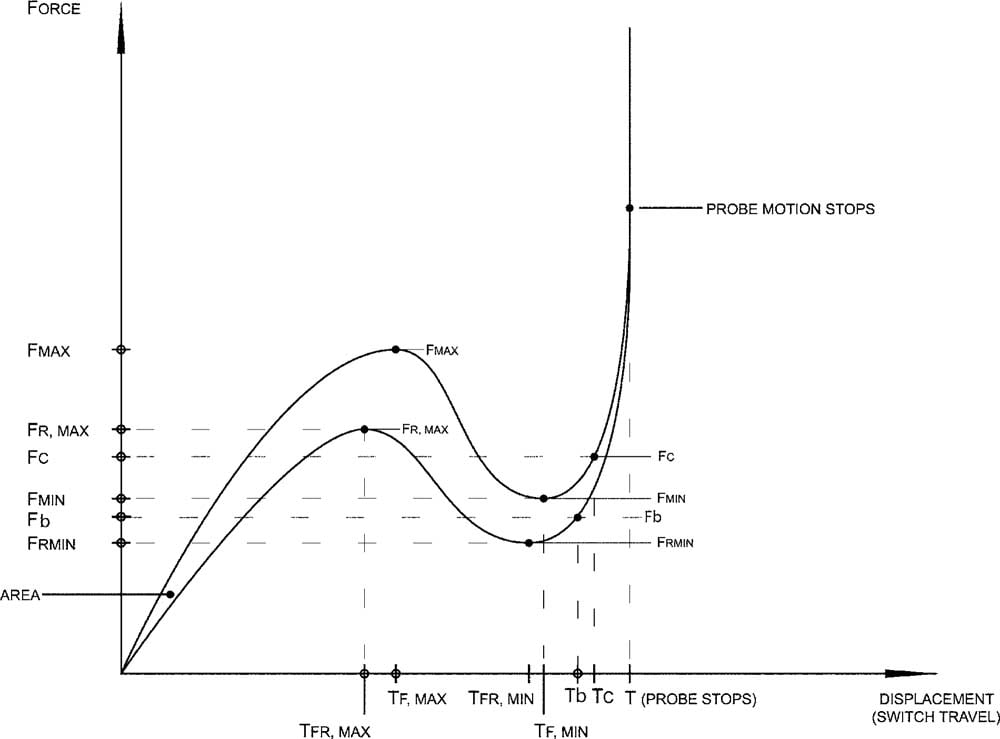
This “snap” action is what gives the switch its name—and why engineers prefer it in applications where user confirmation matters.
Where Are They Used? (Applications)
As a result, Engineers design with snap-dome switches across industries where reliability, tactile feedback, and compact design are critical.
Consumer Electronics
- Remote controls
- Wearables
- Handheld devices
Industrial Equipment
- Control panels
- Machinery interfaces
- Manufacturing systems

Medical Devices
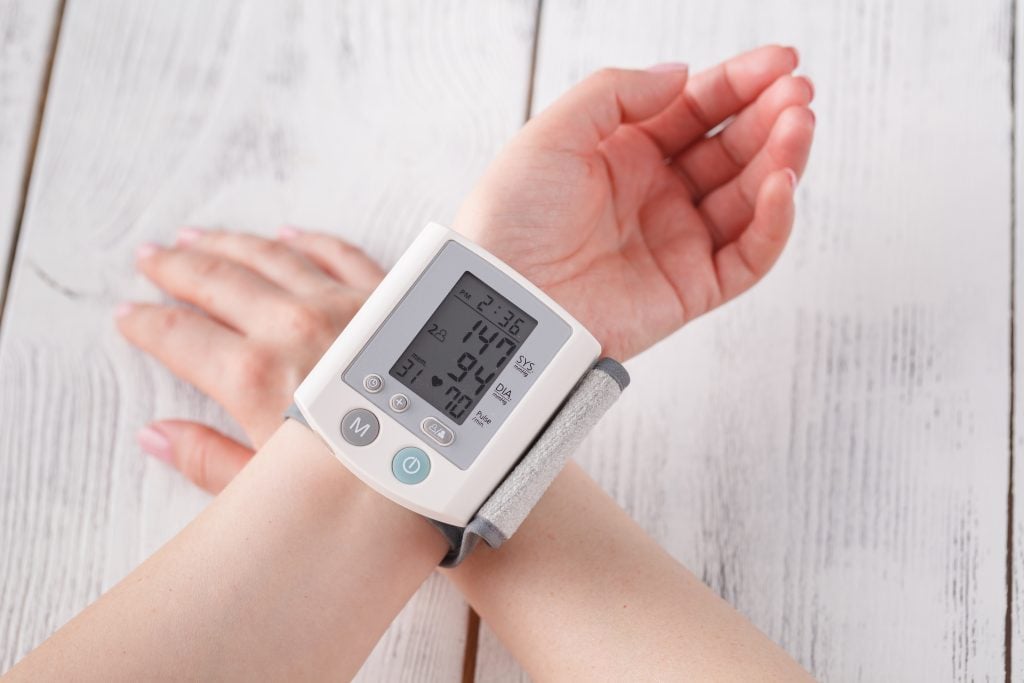
- Diagnostic tools
- Surgical equipment
- Defibrillators
Automotive Applications
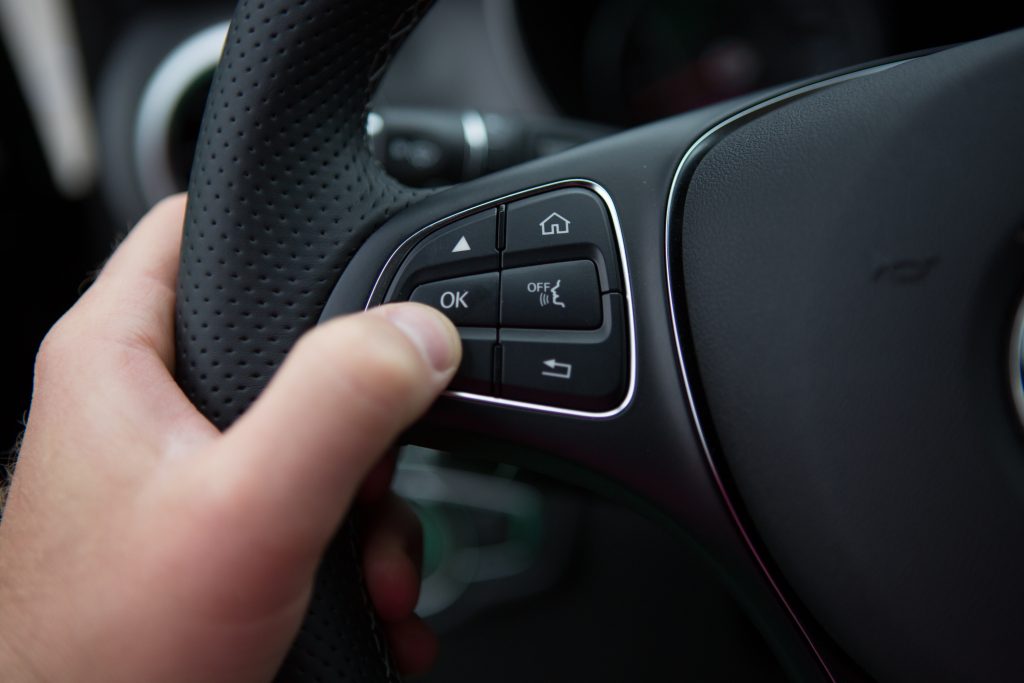
- Steering wheel controls
- Dashboard interfaces
- Infotainment systems
Gaming and Input Devices
- Controllers
- Keypads
- (Note: Unlike true mechanical keyboards, most use membrane or dome-based designs)
These applications rely on snap domes because they provide consistent feedback, even in high-use or mission-critical environments.
Benefits of Snap Dome Switches
1. Tactile Feedback
The distinct tactile sensation and audible “click” confirm user input. This reduces input errors and improves usability in both consumer and industrial applications.
2. High Durability
Manufactured from stainless steel, snap dome switches are highly resistant to wear. Evidently, many designs exceed five million actuations, depending on force and material.
3. Reliable Performance
Consistent actuation force and electrical contact ensure dependable performance over time, even in demanding environments.
4. Ultra-Low Profile Design
Snap domes are extremely thin, allowing integration into compact and modern product designs. Ultimately, this makes them ideal for space-constrained electronics.
Why Engineers Choose Snap Dome Switches
Engineers and product designers choose snap dome switches when they need:
- Precise tactile feedback
- Long lifecycle performance
- Compact, low-profile integration
- Cost-effective switching solutions
In short, they balance performance, reliability, and manufacturability better than most alternatives.
Conclusion
Snap dome switches remain a foundational component in modern electronics. Their ability to deliver tactile feedback, durability, and consistent performance makes them essential across industries—from medical and automotive to consumer devices.
Finally, as user interface expectations increase, the demand for reliable, tactile input solutions like snap dome switches will only grow.